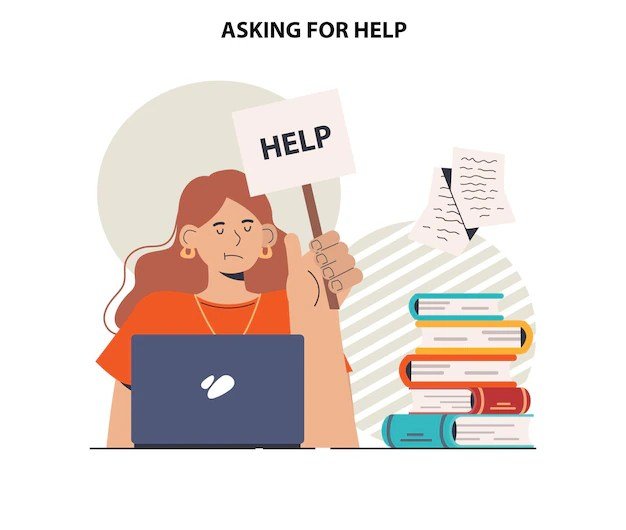
Let's face it: in English-speaking workplaces and daily life, the thought of admitting you don't know something or need assistance can feel intimidating. There's a persistent myth that asking for help signals weakness or incompetence. But here's the truth: Asking for Help in English-Speaking Environments is, in fact, one of the most powerful and strategic moves you can make. It demonstrates proactivity, a commitment to quality, and a collaborative spirit—qualities highly valued in professional and social settings alike.
This isn't about simply saying "Help me!" It's about mastering a nuanced skill that builds understanding, strengthens relationships, and accelerates your personal and professional growth. Forget the fear; it's time to transform your "ask" into an asset.
At a Glance: Key Takeaways for Confident Asking
- It’s a Strength, Not a Weakness: Asking for help showcases initiative, collaboration, and a desire to learn.
- Follow the 4-Step Formula: Use a clear request, context, explain how they can help, and propose next steps for professional asks.
- Tailor Your Language: Adjust between formal and informal English based on the relationship and situation.
- Prioritize Politeness & Clarity: Always be respectful, specific, and express gratitude.
- Avoid Common Pitfalls: Steer clear of vagueness, impoliteness, bad timing, and inadequate thanks.
- Build Connections: Effective help-seeking improves communication, fosters rapport, and boosts your confidence.
Ditch the Doubt: Why Asking for Help is a Superpower
Think of the most successful people you know. Do they operate in isolation, pretending to have all the answers? Rarely. Truly effective individuals understand that success is a team sport, and leveraging collective intelligence is a hallmark of leadership. In English-speaking contexts, this rings especially true.
Here's why embracing the "ask" gives you a significant edge:
- You Show Proactivity and Initiative: Instead of getting stuck or making a mistake, you're taking charge of the situation. You're not waiting for problems to escalate; you're actively seeking solutions and ensuring progress. This signals to colleagues and superiors that you are engaged and committed to positive outcomes.
- You Accelerate Learning and Improve Understanding: When you ask a well-articulated question, you bridge knowledge gaps efficiently. This not only solves your immediate problem but also deepens your overall comprehension and enhances your English language skills in a practical, real-world context. It prevents assumptions and ensures everyone is on the same page.
- You Build Stronger Relationships and Trust: Admitting you need help, even in a professional setting, is an act of humility and trust. It allows others to share their expertise, making them feel valued and respected. This fosters a collaborative environment, strengthens team cohesion, and builds a network of support that will serve you well in the long run. People are often genuinely happy to assist when approached thoughtfully.
In essence, asking for help strategically transforms a potential roadblock into an opportunity for growth, collaboration, and improved results. It shows you're invested not just in your own task, but in the success of the entire team or project.
The Art of the Ask: Your 4-Step Professional Formula
Whether you're drafting an email, participating in a meeting, or having an everyday conversation at work, a structured approach can make all the difference. This 4-step formula is your roadmap to professional and impactful requests.
Step 1: Make a Clear, Specific Request
The first rule of asking for help: be absolutely clear about what you need. Vague requests like "Can you help me?" are difficult to act on and can be frustrating for the person you're approaching. Pinpoint the exact nature of your need.
How to do it:
State explicitly what kind of assistance you're looking for. Use direct and unambiguous language.
Examples of phrases:
- "Could you help me with..."
- "I'd like to get your thoughts on..."
- "Would you have time to..."
- "I need some guidance on..."
In practice:
Instead of: "I need help with the social media thing."
Try: "I'd like to get your thoughts on the summer campaign we developed for the company’s social media."
Step 2: Share Relevant Context
Once you've made your specific request, provide just enough background information for the other person to understand the situation without overwhelming them. This isn't about recounting your entire journey; it's about giving them the necessary context to offer informed help.
How to do it:
Briefly explain the challenge you're facing, what you've already tried, or why this particular issue has arisen. Keep it concise.
Examples of phrases:
- "I'm facing a challenge with..."
- "I've already tried X, Y, and Z, but I'm still encountering..."
- "Specifically, I need help with..."
- "The reason I'm asking is because..."
In practice:
Building on the previous example: "I'd like to get your thoughts on the summer campaign we developed for the company’s social media. I’m facing a challenge with keeping the tone consistent across platforms. The visuals are strong, but the messaging feels uneven."
Step 3: Explain How They Can Help (and why their expertise matters)
This step is crucial because it shows you respect their time and expertise. You're not just offloading a problem; you're seeking their unique contribution. Connect their skills or experience directly to your need.
How to do it:
Clearly articulate what specific contribution you believe they can make. This also helps them understand the scope of the help you're seeking.
Examples of phrases:
- "Your experience with [X] would be valuable here."
- "Since you’ve handled similar projects before..."
- "Your perspective would really help us..."
- "Given your background in [area]..."
In practice:
Continuing the scenario: "I'd like to get your thoughts on the summer campaign we developed for the company’s social media. I’m facing a challenge with keeping the tone consistent across platforms. The visuals are strong, but the messaging feels uneven. Your background in brand strategy and your work on last year’s campaign would be really helpful here."
Step 4: Share Next Steps and Follow-Up
Conclude your request with a clear action plan or a proposed timeline. This demonstrates that you're organized, considerate of their schedule, and ready to move forward. It also makes it easier for them to commit to helping.
How to do it:
Suggest a concrete next step or a timeframe for when you'd like to connect. Offer to do some of the legwork.
Examples of phrases:
- "Could we review this together before Thursday?"
- "I’ll send you the draft today—would you have time for a quick check-in tomorrow?"
- "I'll follow up by Friday if I don’t hear back."
- "Please let me know what time works best for you."
Bringing it all together – A comprehensive example:
"Hi [Colleague's Name], I hope you're having a productive week.
Would you have time to review the new policy timeline? (Step 1: Clear Request)
It goes into effect Friday, so I need to finalize it this week, and I want to ensure everything is perfect. (Step 2: Relevant Context)
You’ve implemented similar changes before, and your input on potential roadblocks or critical details would be invaluable. (Step 3: How they can help, respecting expertise)
If I send the draft this afternoon, could we talk it through before Thursday morning? (Step 4: Next steps/Follow-up)
Thanks so much for considering!"
This structured approach significantly increases the likelihood of getting the help you need, precisely when you need it. If you're looking for broader guidance on how to navigate various English language situations, you might find Your guide to English help a useful resource.
Navigating Different Contexts: Formal, Informal, and Tricky Situations
The way you ask for help can vary wildly depending on who you're speaking to and the environment you're in. Mastering these nuances is key to effective communication.
Tailoring Your Approach: Workplace Culture & Beyond
Workplace cultures are not monolithic. Some embrace direct communication, while others prefer a more collaborative, less "needy" framing. If you're in an environment where direct requests might be perceived negatively, a subtle reframe can be very effective.
Instead of: "I'm stuck and need help with X." (Can sound like you're blocked and putting the burden on them)
Try: "I'd like to make sure we're aligned before moving forward—would you have time for a quick review of X?" (Focuses on shared goals, collaboration, and alignment, making it about team success rather than individual struggle.)
This shift emphasizes your proactive nature and commitment to team success, even when you're seeking input. Always observe your workplace dynamics and adapt accordingly.
Formal vs. Informal: Speaking Their Language
Choosing the right level of formality is crucial for politeness and effectiveness.
- Formal Requests: Use these in professional settings, with people you don't know well, or with elders/superiors. They convey respect and seriousness.
- "Could you please help me?"
- "Would you mind assisting me with...?"
- "I would be grateful if you could lend your expertise to..."
- "May I ask for your assistance regarding...?"
- Informal Requests: Appropriate for friends, family, close colleagues, or in casual social situations.
- "Can you help me?"
- "Would you help out with...?"
- "Can you give me a hand with...?"
- "Could you do me a favor?"
Pro Tip: When in doubt, lean towards slightly more formal language, especially in new situations. It's better to be respectfully formal than unintentionally casual.
Everyday Situations: Beyond the Professional
The 4-step formula is great for work, but everyday help-seeking often calls for quicker, more direct (but still polite) phrases.
- "Excuse me, could you explain that part again? I didn't quite catch it." (For clarification)
- "Do you have a moment to help me out with this?" (When you need a quick favor)
- "I need some help with my homework/this recipe." (Simple, direct need)
- "I'd appreciate your help finding the right platform for this content." (Seeking specific guidance)
The core principles of clarity, politeness, and respect remain constant, regardless of the setting.
Crafting Your Request: Essential Phrases and Politeness Pointers
Beyond the 4-step formula, having a versatile toolkit of phrases and a clear understanding of polite communication can smooth out any request.
A Toolkit of Polite Phrases
Here are some go-to expressions that work in various scenarios, from slightly formal to comfortably informal:
- "Could you help me?" (Versatile, polite)
- "Can you assist me with...?" (Slightly more formal than "help," professional)
- "Would you mind helping me...?" (Very polite, implies respect for their time)
- "I need some help with [task]." (Direct, but can be softened with "please")
- "Could you explain that part again?" (For understanding)
- "Do you have a moment to help me out?" (Checks availability first)
- "I'd appreciate your help/assistance." (Expresses gratitude implicitly)
- "Would it be possible for you to help [me with X]?" (Very polite, acknowledges potential inconvenience)
- "If you have time, could you give me some advice on...?" (Acknowledges their busy schedule)
- "I'm having a bit of trouble with [problem]. Could you take a look?" (Indirect, softer approach)
Remember to pair these with genuine "please" and "thank you."
The 5-Point Politeness Checklist for Clear Communication
No matter the words you choose, the delivery makes all the difference. Follow these steps for maximum impact and courtesy:
- Begin with a greeting or polite phrase.
- Example: "Hi [Name], I hope you're doing well." or "Good morning, [Name]."
- Why it works: It's respectful and sets a positive tone.
- State your request politely.
- Example: "Could I bother you for some help?" or "I was hoping you might be able to assist me."
- Why it works: Softens the request, shows consideration.
- Be specific about what you need.
- Example: "I’m having trouble with this math problem – specifically, the quadratic formula." or "I need to understand the latest project deadline changes."
- Why it works: Clarity prevents confusion and makes it easier for them to help.
- Express appreciation in advance.
- Example: "Thanks so much for your help." or "I'd really appreciate any insights you could offer."
- Why it works: Shows gratitude and sets a positive expectation.
- End with a friendly closing.
- Example: "Let me know if you’re available." or "Looking forward to hearing from you."
- Why it works: Maintains rapport and offers a clear path for their response.
For even more detailed phrases and scenarios, consider exploring Your guide to English help to deepen your conversational toolkit and refine your communication skills across various situations.
Common Pitfalls to Avoid (And How to Side-Step Them)
Even with the best intentions, requests for help can sometimes go awry. Being aware of these common mistakes and actively working to avoid them will greatly improve your success rate.
1. Being Too Vague
This is perhaps the most common mistake. A vague request leaves the other person guessing and can lead to frustration or an unhelpful response.
- Mistake: "Can you help me?" (Too general)
- Correction: "Can you help me understand this paragraph in the report?" or "Could you help me troubleshoot why my computer isn't connecting to the Wi-Fi?"
- Why it's a mistake: It puts the burden on the helper to figure out what you need, wasting their time and yours.
2. Being Impolite or Demanding
Even when you're stressed, politeness is paramount. A demanding tone can alienate others and make them less willing to help.
- Mistake: "Help me now!" or "Fix this!"
- Correction: "Could you help me, please?" or "Would you mind taking a look at this when you have a moment?"
- Why it's a mistake: Impoliteness is disrespectful and suggests you don't value their time or effort.
3. Asking at the Wrong Time
Timing is everything. Interrupting someone in the middle of a focused task or during a busy period can be counterproductive.
- Mistake: "Hey! Help me now!" (When they're clearly preoccupied)
- Correction: "Do you have a moment to help?" or "Is this a good time to ask for your input on something quick?"
- Why it's a mistake: It shows a lack of consideration and can cause irritation, making them less receptive to your request.
4. Not Expressing Gratitude Adequately
A simple "thanks" might not always be enough to convey genuine appreciation, especially for significant help.
- Mistake: "Thanks." (For extensive help)
- Correction: "I really appreciate your help with this; it saved me a lot of time!" or "Thank you so much, I couldn't have figured that out without you."
- Why it's a mistake: Insufficient gratitude can make others feel undervalued, making them less likely to offer help in the future.
By consciously avoiding these pitfalls, you present yourself as a considerate and effective communicator, making others much more inclined to offer their support.
Beyond the Ask: Building a Culture of Support
Asking for help isn't a transactional interaction; it's an opportunity to build and strengthen relationships. Your behavior after the help has been given is just as important as your initial request.
Gratitude Goes a Long Way
Always follow up with sincere and specific thanks. If someone went out of their way, acknowledge it. A quick email, a thank-you note, or even a verbal acknowledgment in person can solidify the positive interaction. Explain how their help made a difference—this reinforces their value and encourages future assistance.
- "Thanks again for your feedback on the presentation; it really helped me refine the flow and made a huge impact on the client meeting."
- "I really appreciate you taking the time to explain that concept to me. I finally understand it much better now!"
The Reciprocity Effect: Paying it Forward
People are generally more willing to help those who have also helped them, or at least shown a willingness to do so. Make it a point to offer your assistance to others when you see an opportunity. This creates a positive cycle of mutual support.
- "Let me know if there's anything I can help you with on your current project."
- "I saw you were looking for [X]. I have some experience with that; happy to share if you need."
Mastering how to ask for help builds confidence, sharpens communication skills, facilitates smoother interactions, and demonstrates proactivity and eagerness to learn. It aids in building strong relationships and expanding your knowledge base across various scenarios, both professional and personal. When everyone feels comfortable asking for and offering help, the entire environment thrives.
Your Next Step: Ask with Confidence
You now have a robust toolkit for Asking for Help in English-Speaking Environments. The fear of appearing weak or incompetent is a barrier you can—and should—break down. Remember, asking for help isn't a sign of inadequacy; it's a strategic demonstration of initiative, humility, and a commitment to excellence. It's how you learn, how you grow, and how you build invaluable connections.
Start small. Practice the 4-step formula in an email, or use one of the versatile phrases in a casual conversation. Observe how people respond, and refine your approach. The more you practice, the more natural and confident you'll become.
Your next success, your next breakthrough, your next important piece of knowledge might just be one well-phrased question away. Go ahead, ask with confidence. To further refine your communication skills and ensure you're always prepared, Your guide to English help offers comprehensive advice for various English language challenges.